


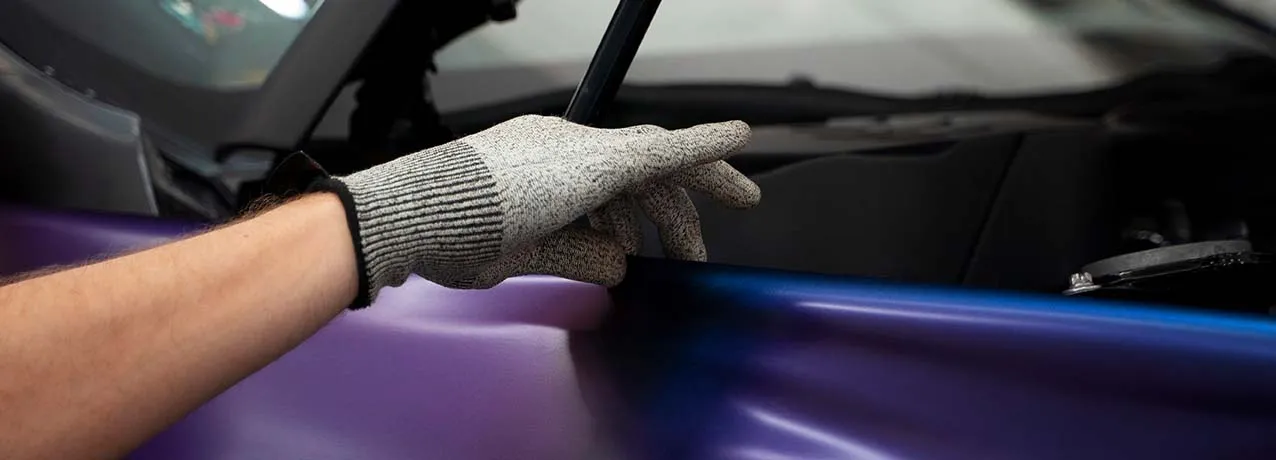
Vinyl Wrap vs Painting Your Vehicle: Which Is the Better Option?
When it comes to changing the look of your vehicle, two popular options stand out: vinyl wrapping and traditional respray painting. While both can completely transform your car, they differ significantly in cost, durability, flexibility, and long-term value.
In this guide, we’ll break down the key differences between vinyl wraps and paint, helping you decide which option best suits your vehicle, lifestyle, and budget.
What Is a Vinyl Wrap?
A vinyl wrap is a thin, adhesive film applied over your vehicle’s original paint. Wraps come in a wide range of colours, finishes, and textures, including:
- Gloss & matte
- Satin
- Carbon fibre
- Chrome
- Colour-shift / iridescent
- Custom printed designs
Vinyl wraps can be applied to the entire vehicle or specific panels, making them extremely versatile.
What Is a Vehicle Respray?
A respray involves sanding down the vehicle’s existing paint and applying new paint layers, followed by clear coat and curing. This process permanently alters the vehicle’s finish and is commonly used for:
- Colour changes
- Restoring faded or damaged paint
- Repairing accident damage
Vinyl Wrap vs Paint: Key Differences
Cost
>Vinyl Wrap
- Generally 30–60% cheaper than a quality respray
- Full wraps typically cost less due to reduced labour and materials
- Ideal for budget-friendly transformations
Paint
- High-quality resprays are expensive
- Labour-intensive process
- Premium paints and finishes significantly increase cost