


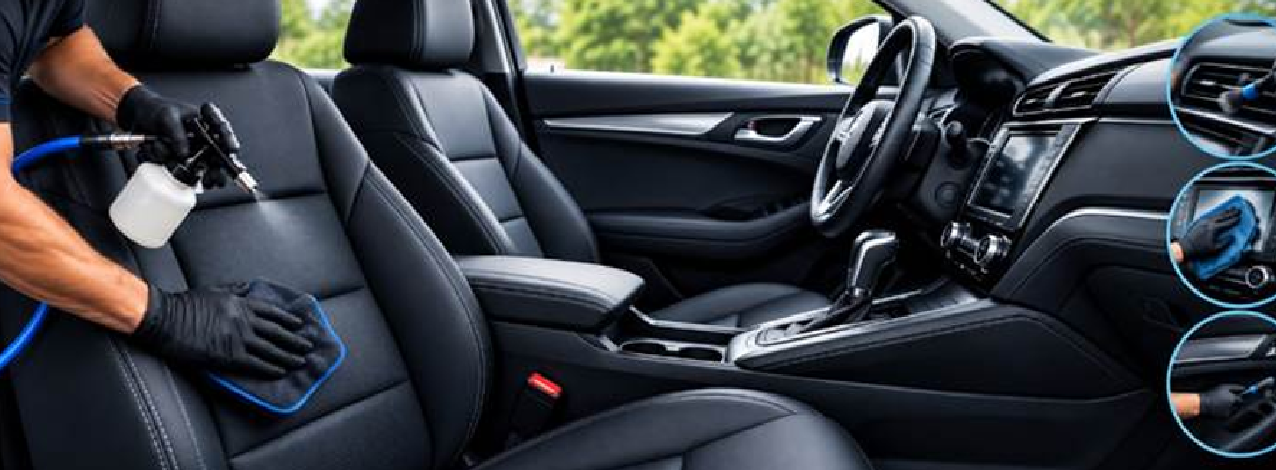
A car’s interior experiences regular use from the moment you start driving. Seats, dashboards, door trims, carpets and centre consoles can gradually develop stains, scratches, fading and other signs of wear. For drivers seeking Car Interior Protection Sunshine Coast, understanding the available protection methods can help maintain the condition of the cabin and make everyday cleaning easier.
Interior protection is not just about keeping a vehicle looking attractive. It also involves choosing suitable products for different materials, addressing areas exposed to sunlight and reducing the risk of damage caused by spills or frequent contact. The right approach depends on your vehicle’s interior materials, driving habits and how you use your car.
What Is Car Interior Protection?
Car interior protection involves applying suitable treatments or using protective products to help preserve interior surfaces. Different materials require different care methods, so a treatment designed for leather may not be appropriate for fabric seats or plastic trim.
Depending on the vehicle and the products selected, protection may include fabric stain-resistant treatments, leather conditioners or protectants, dashboard UV protectants, and fitted floor mats or seat covers. These options serve different purposes, and not every vehicle requires the same combination.
Before selecting an interior protection service, consider your vehicle’s upholstery type, current condition and daily usage. Different surfaces respond to different treatments, so choosing a suitable option helps maintain the original appearance without causing unwanted changes.
Which Interior Surfaces Benefit Most from Protection?
Leather and Fabric Seats
Car seats are exposed to constant use, friction and contact with clothing. Fabric seats can trap dust and develop visible marks from accidental spills, while leather upholstery may lose its finish or develop cracks as it ages. Choosing a treatment designed for the specific upholstery can help manage everyday dirt and make routine cleaning easier. Check the product’s suitability before application to avoid affecting the texture, colour or finish of the seats.
Dashboard and Door Trims?
Dashboards and door panels are exposed to sunlight and frequent contact. Over time, some finishes may fade, become discoloured or develop a worn appearance. Using a compatible UV protectant and a soft cleaning cloth can help maintain these surfaces. Avoid greasy products that create excessive shine or leave a slippery finish.
Carpets and Floor Mats
Footwear carries dust, sand, moisture and other debris into the cabin. Floor mats help collect much of this material before it reaches the underlying carpet. Removable mats are also easier to clean separately, making them a practical choice for vehicles used for commuting, family travel or outdoor activities.
Steering Wheels and Frequently Touched Controls
Steering wheels, gear selectors, door handles and switches receive constant contact from hands. Dirt and oils can build up on these surfaces, particularly in vehicles driven daily. Gentle cleaning with a product suitable for the specific material helps remove residue without damaging buttons, coatings or textured finishes.
How Does the Sunshine Coast Climate Affect Your Car Interior?
Sun exposure is an important consideration for vehicles regularly parked outdoors. Strong sunlight and heat passing through the windows can contribute to the gradual deterioration of certain upholstery, plastics and trim finishes. The extent of the damage depends on the material, exposure time and existing condition.
Simple parking habits can help reduce unnecessary exposure. Whenever practical, choose shaded or covered parking and use a suitable windscreen sunshade. Window tinting may also help reduce solar heat and UV exposure when the film is appropriate for the vehicle and complies with applicable regulations.
These measures complement interior treatments rather than replacing them. A protectant cannot prevent every form of fading or wear, so combining sensible parking habits with regular maintenance offers a more practical approach.
How Should You Choose the Right Interior Protection?
Start by considering the condition of your cabin. A relatively new vehicle may benefit from preventative treatments, while an older interior might need thorough cleaning before any protective product is applied. Protection is generally most effective when the surface is properly prepared and free from built-up dirt or residue.
Next, consider how the vehicle is used. Families may prioritise easier spill cleanup, pet owners may focus on managing hair and dirt, and drivers who spend long hours on the road may pay closer attention to seat wear and frequently touched surfaces.
Ask the service provider which materials will be treated, what products will be used and how long the treatment is expected to last. Also clarify the recommended curing time, cleaning instructions and any limitations. These details help you compare services based on what is actually included rather than relying on broad claims.
What Should You Avoid When Maintaining Protected Surfaces?
Avoid using harsh household cleaners, abrasive tools or excessive water on your car’s interior, as these can affect upholstery, plastic trim and other delicate finishes. Choose cleaning products suited to each material, and follow the manufacturer's instructions to prevent residue or unwanted surface changes.
Protective treatments also have limitations. They may help reduce certain stains or everyday wear, but they do not make interior surfaces completely resistant to damage. Clean spills promptly and follow the recommended maintenance routine to keep treated areas in good condition.
As explained in our previous blog, “Why Regular Car Exterior Cleaning Matters for Sunshine Coast Drivers,” consistent vehicle care helps address dirt and contaminants before they become more difficult to remove. The same principle applies to your car’s interior, where regular cleaning can prevent the build-up of dust, debris and everyday grime. Using suitable products for both interior and exterior surfaces helps you maintain your vehicle more effectively.
When Should You Consider Professional Car Interior Protection?
Professional assistance may be useful when your vehicle has delicate upholstery, persistent stains, visible surface deterioration or several different interior materials that require separate treatments. A trained detailer can assess the surfaces, recommend appropriate preparation and explain which protection options suit your needs.
Professional car interior protection can help maintain upholstery, trim and other cabin surfaces when the correct treatment is selected. Before applying any product, ensure the interior is clean and the surfaces are suitable for the chosen treatment. Following the recommended application and maintenance instructions can help preserve the finish and support long-term interior care.
If you are comparing Car Interior Protection Sunshine Coast services, ask for a clear explanation of the process, the areas included and the ongoing care required. Choosing a service based on your vehicle’s actual condition helps you make a more informed decision.
Maintaining a car interior requires more than occasional cleaning. Seat upholstery, dashboard finishes, carpets and frequently touched controls all have different care requirements. By selecting compatible protection products, reducing unnecessary sun exposure and following a consistent cleaning routine, car owners can help preserve their vehicle’s interior condition over time.
For Sunshine Coast drivers, the best protection plan is one that matches the materials in the cabin, the way the vehicle is used and the level of maintenance you can realistically maintain.
Frequently Asked Questions
1. What does car interior protection include?
It may include fabric or leather treatments, dashboard protection, carpet care and practical accessories such as fitted floor mats. The exact inclusions depend on the service and the vehicle’s interior materials.
2. Does car interior protection prevent all stains and scratches?
No. Protection products may reduce the impact of certain spills or everyday wear, but they cannot prevent all damage. Prompt cleaning and careful use remain important.
3. How can I protect my car interior from sunlight?
Use shaded parking where possible, place a suitable sunshade in the windscreen and consider compliant window tinting. Interior protectants may provide additional support when used according to the manufacturer's instructions.
4. Can I apply interior protection products myself?
Yes, some products are suitable for home use. However, you should check material compatibility, follow the instructions carefully and test the product on a hidden area before treating the entire surface.
5. When is the best time to protect a car interior?
Protection can be considered when a vehicle is new or after an existing interior has been properly cleaned. The most suitable timing depends on the surface condition and the type of treatment being applied.