


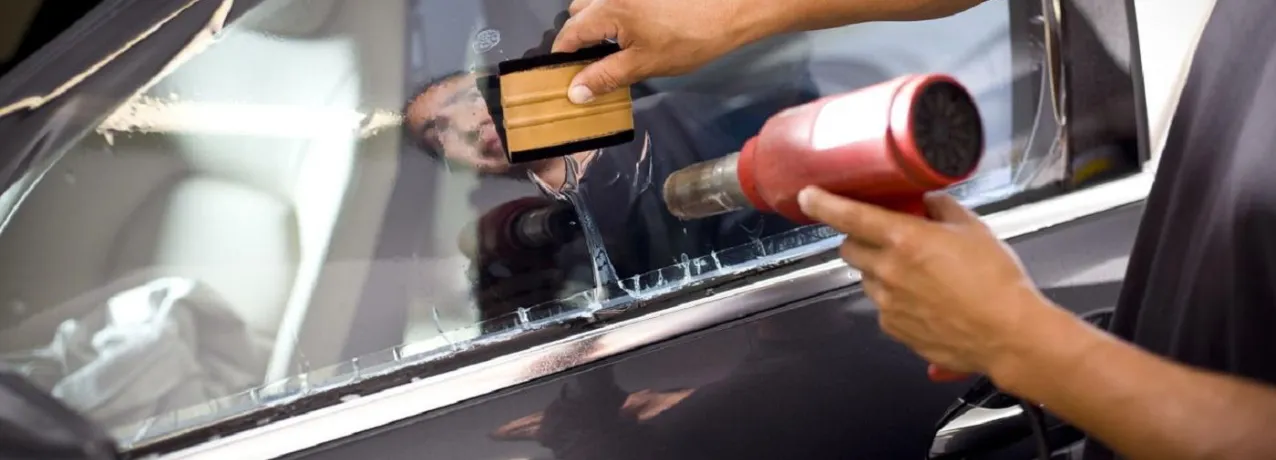
While living in the beautiful sunshine state we all know our cars can get quite hot along with strong harmful UV rays tinting your vehicle can reduce glare, and block out UV rays while improving comfort and safety for vehicle occupants.
What is Automotive Tint?
Automotive tinting is the process of applying a thin layer of film on your vehicles windows with an assortment of options available to suit your needs. Before choosing your tint you should take in to consideration your local tinting laws, as for Queensland our darkest legal tint is 35% for the front windows and 20% for the rear windows. You should also consider what type of film you would like each comes with their own advantages and disadvantages.
Benefits of Automotive Tint
Automotive window tinting offers a number of benefits it can improve the look of your vehicle, improve comfort and functionality such as reducing glare, blocking harmful UV rays, keeping your interior cooler, protecting your skin from sun damage. Automotive tint also provides privacy and security deterring possible thieves from being able to see in your vehicle to top it off it can help hold together shattered glass in case of an accident.
Here are a few different common types of automotive tints
Crystalline Film
Being almost transparent (hence the term glass tint), these multi-layered tints still block heat and UV rays. If you want privacy from window film, a clear tint is not for you. A crystalline tint is the best way to get the look and feel of clear windows on your car while still blocking heat and UV rays. The effectiveness of this tint type has been thoroughly tested, so you can rest assured your windows are blocking out the sun’s harmful rays. Its low-key aesthetics and effective UV blocking make crystalline window tints a popular choice.
Ceramic Film
Despite the fact that these car tints are costly, they are also the most effective. This is due to the fact that ceramic tints do not contain any dye or metal particles. Instead, they use non-conductive ceramic micro-particles instead. Your vehicle’s upholstery is protected from UV rays and cell signals with these particles, which reduce UV rays by up to 99%. In addition, ceramic tints reduce glare, are extremely strong and shatter-resistant, and are difficult to scratch.
Carbon Films
Infused with ultra-reflective carbon particles, carbon tints have a matte finish that creates a more tasteful alternative to metalised tints. In addition to insulating and blocking heat, the embedded carbon particles block up to 40% of infrared light. Additionally, carbon tints reflect heat far more effectively than dyed or metalized counterparts, and radio signals will not be blocked by them.
Tints That Are Dyed
The most common and most affordable car window tinting option is dyed window tinting.
A dyed tint is a thin, multi-layered film of dyed plastic that adheres to your car’s windows. It is made up of different densities of dye, so you can choose the amount of tint you want. A dyed tint provides decent UV protection privacy at an affordable price.
Metallised Car Film
Tint films with metal microparticles embedded within their layers reflect heat and ultraviolet rays.
Metal particles also strengthen your car’s windows, making them less likely to shatter when broken. Although these tints are shinier than dyed tints, they are far more scratch-resistant.
Tints With Hybrid Properties
Metallised tints and dye films are combined to create hybrid tints, which combine dye film’s affordability and privacy with metallised tint’s strength and UV-blocking properties. These tints are more scratch-resistant and will not fade as quickly as regular dyed tints.
Now that you have all the information you need, you can choose what Automotive tint suits you! Contact the Mr. Sparkle team today to add the perks of Automotive tint to your vehicle.